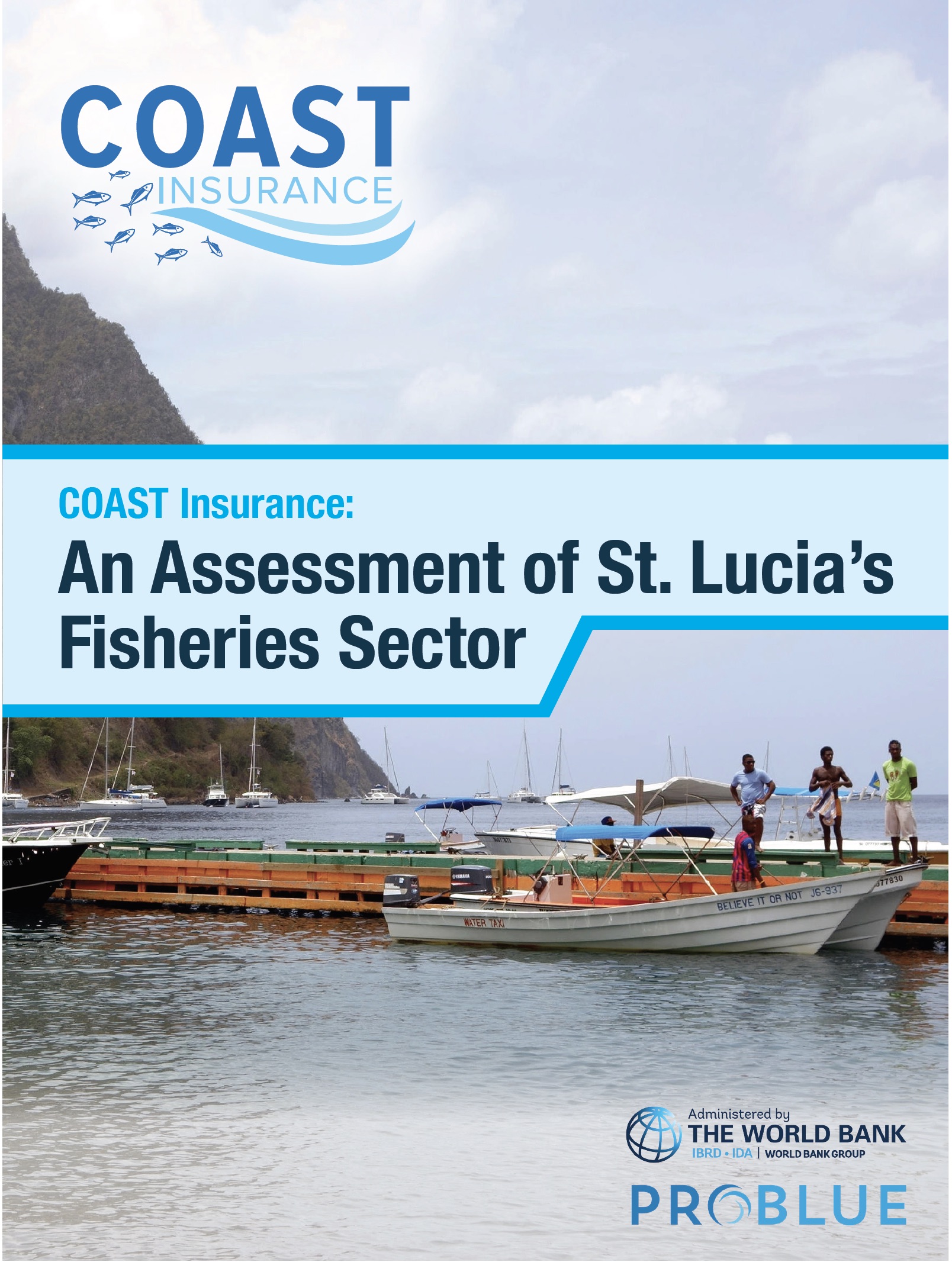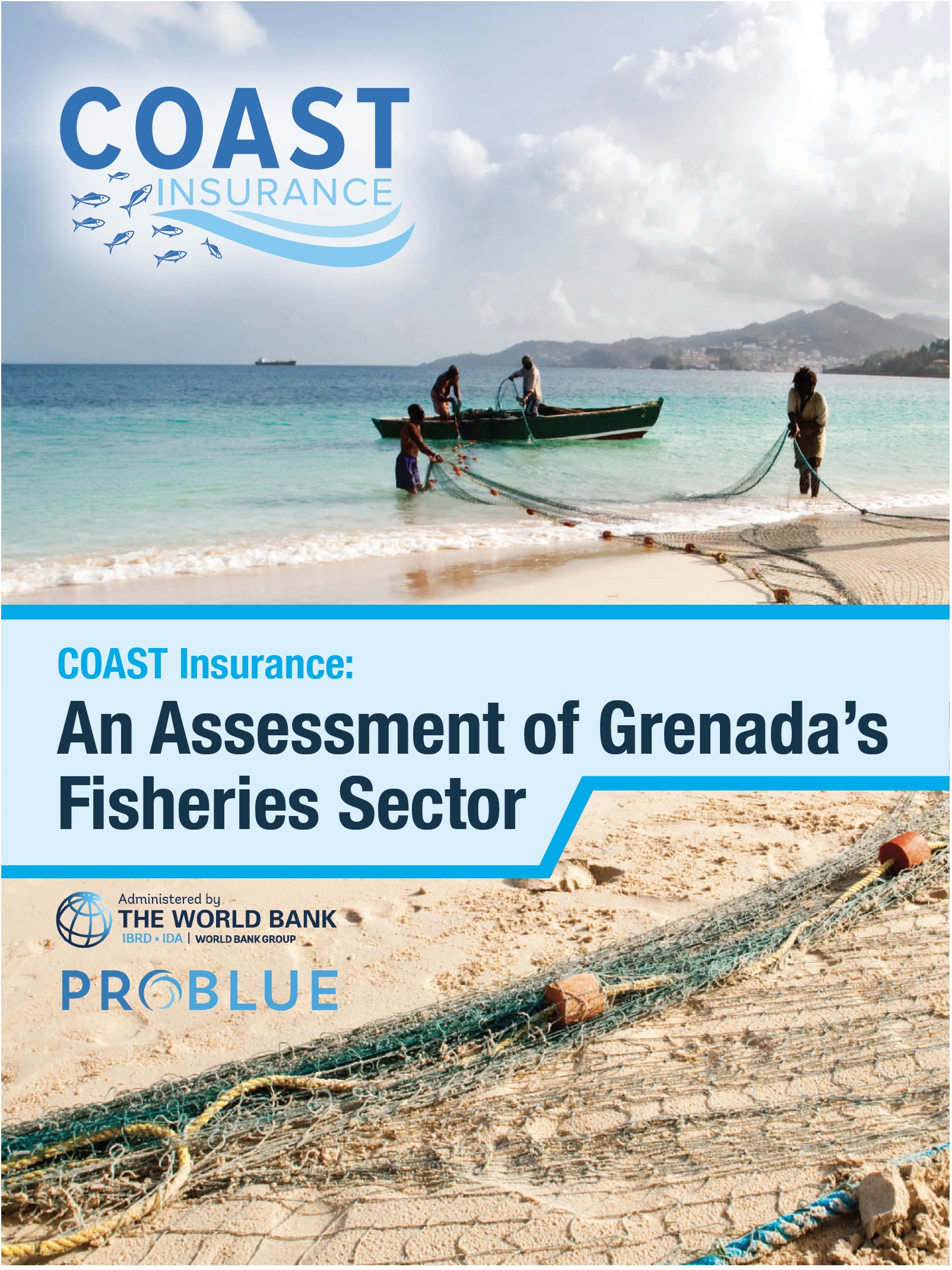
The Caribbean Oceans and Aquaculture Sustainability Facility (COAST) is the world’s first parametric insurance product designed specifically for the fisheries sector. COAST was developed with financial support from the U.S. State Department, with CCRIF SPC and the World Bank providing technical leadership and model development. Launched in 2019, COAST is now purchased by six Caribbean countries: Grenada, Saint Lucia, Anguilla, Barbados, St. Vincent and the Grenadines, and the Turks and Caicos Islands. Grenada and Saint Lucia have been purchasing COAST insurance since the launch of the product in 2019.
COAST provides rapid financial protection to governments when fisherfolk and coastal communities are affected by extreme weather events such as high waves, heavy rainfall, tropical storms, and hurricanes. By delivering quick liquidity within 14 days, COAST helps governments respond swiftly, reduce economic disruption, and protect the livelihoods of those who depend on the marine environment. COAST is available to all CCRIF Caribbean member governments.
COAST is underpinned by CCRIF’s proven parametric insurance modelling framework, specifically the Tropical Cyclone (TC) and Excess Rainfall (XSR) models, which have been adapted to reflect the unique characteristics of the fisheries sector. COAST operates through a sovereign insurance model, meaning the Government - not individual fishers - purchases the policy and receives payouts. These funds are then used to support fisherfolk directly or to repair critical fisheries infrastructure. The product includes two independent components: an Adverse Weather feature (based on the XSR model) that compensates for lost fishing days due to prolonged bad weather, and a Tropical Cyclone feature (based on the TC model) that covers damage to vessels, gear, and landing sites caused by tropical cyclones (tropical storms and hurricanes). This dual structure ensures that COAST responds to both frequent, lower‑intensity events and more severe cyclonic impacts.
The effectiveness of COAST was demonstrated in July 2024, when Grenada received a payout of US$1.066 million following Hurricane Beryl. The storm caused significant damage to fishing vessels, engines, gear, and landing sites, and the COAST Tropical Cyclone model calculated losses above Grenada’s policy attachment point. The Government used the payout to support fisherfolk in rehabilitating the fishing fleet, enabling over 600 fisherfolk to resume operations quickly. This payout, delivered to the Government within 14 days, showcased COAST’s ability to provide rapid, targeted support to restore livelihoods and protect food security.
A key strength of COAST is its transparency and accountability. Each participating country develops a COAST Operations Manual that outlines how payouts will be distributed in the event of a trigger under the Adverse Weather Component, including a pre‑approved list of beneficiaries across the fisheries value chain - fishers, crew, captains, vendors, and processors, many of whom are women. Governments also report on the use of funds – whether the payout was due to the adverse weather component of the tropical cyclone component - and document how support reaches affected communities. This ensures that assistance is delivered quickly and equitably, strengthening trust and improving resilience.
Beyond insurance, COAST is a catalyst for building a stronger blue economy in the Caribbean. COAST encourages climate‑smart fisheries practices, supports marine conservation efforts, and promotes community‑level resilience. By reducing the financial burden on governments after disasters and enabling faster recovery of the fisheries sector, COAST helps safeguard food security, protect livelihoods, and advance long‑term sustainability across coastal communities.
A Note on COAST for Fisherfolk
COAST: Insurance That Helps Fisherfolk After Bad Weather and Storms
COAST is a special insurance programme delivered by CCRIF that helps protect the fishing community when bad weather or hurricanes damage boats, gear, or landing sites, or when the sea is too rough to go out to fish. The Government buys the COAST policy, and when the weather is severe enough to trigger a payout, the money comes quickly, within 14 days. COAST was launched in 2019 with support from the U.S. State Department, CCRIF SPC, and the World Bank. Today, six Caribbean countries have COAST policies: Grenada, Saint Lucia, Anguilla, Barbados, St. Vincent and the Grenadines, and the Turks and Caicos Islands.
COAST uses two types of weather models to decide when a payout should be made: one for tropical cyclones (storms and hurricanes) and one for excess rainfall and high waves. This means COAST can help after big storms that cause damage, but also after long periods of rough seas or heavy rain that stop fishers from going out to work. Because the Government receives the payout, it can quickly support fisherfolk or repair important facilities like jetties, sheds, ice machines, and landing sites.
In July 2024, COAST proved how helpful it can be. After Hurricane Beryl, Grenada received a payout of US$1.066 million under its COAST insurance policy. Hurricane Beryl damaged many boats, engines, and pieces of gear. The Government used the COAST payout to help more than 600 fisherfolk get back to sea, by repairing vessels. This quick support helped families recover and protected the country’s food supply.
COAST encourages stronger, safer fishing communities by supporting climate‑smart practices, marine conservation, and better coastal management. By helping fisherfolk recover faster after bad weather, COAST strengthens livelihoods and supports a more resilient blue economy across the Caribbean.
Special Projects Links
COAST Participating Countries
COAST is now purchased by six Caribbean countries:
- Anguilla
- Barbados
- Grenada
- Saint Lucia
- St. Vincent and the Grenadines
- Turks and Caicos Islands
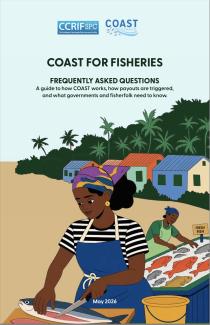
COAST FAQs
COAST Brochure
COAST Assessment Reports